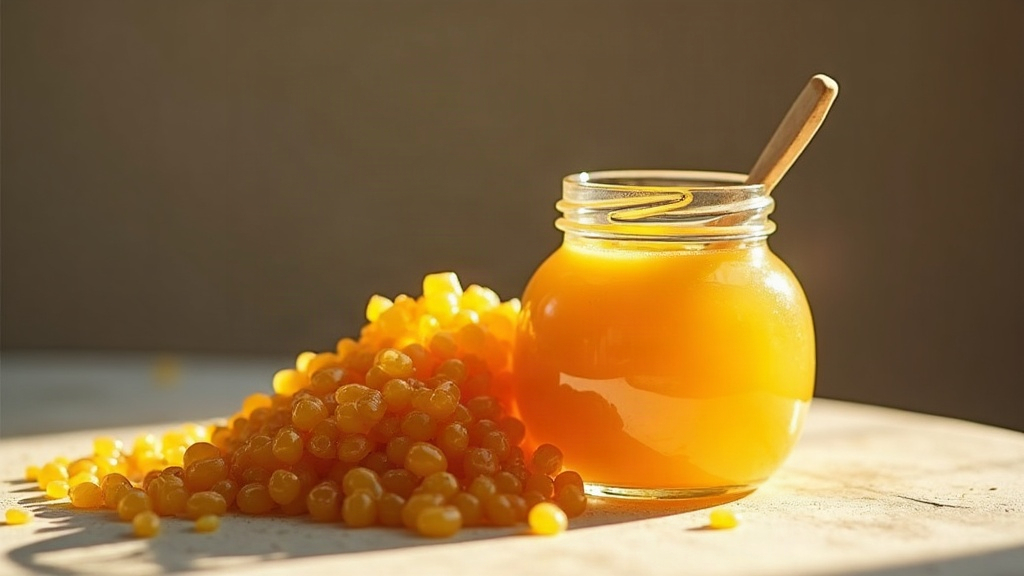
Long before glucose meters existed, kitchens across the Mediterranean paired Biblical drink (oil)/ Honey blend with bread as part of an everyday ritual. This page explores that tradition and the simple habit of eating foods in a mindful order — alongside, not instead of, the guidance of the doctor who already knows your history.
Most people picture ‘watching your sugar’ as a strict, joyless routine. The daily reality is messier — and a lot more human. Here’s what actually shows up between meals.
One hour you're focused, the next you're reaching for coffee just to get through the afternoon. Many people notice this pattern long before they ever think about a Biblical drink (oil)/ Honey blend or any other kitchen habit — it's simply part of the daily rhythm.
You slept, technically. But the alarm feels like an ambush and the first hour of the day runs on autopilot. Breakfast decisions get made half-asleep, which sets the tone for everything after.
Cut carbs. No, don't cut carbs. Eat fruit. Avoid fruit. Every article says something different, and none of it accounts for your actual kitchen, your actual schedule, or your actual life.
Three times a day, every day, forever — that's how it can feel. The mental load of deciding 'what's okay to eat' adds up quietly, long before it shows up as actual fatigue.
Some kitchen ‘rules’ get passed down so often they start to sound like fact. A quick, sober look at three of the most common ones.
Myth: All carbohydrates behave the same way in a meal.
Fact: Carbohydrates vary widely by type, fiber content, and what they’re eaten alongside. Broad statements like ‘carbs are bad’ oversimplify how varied everyday food actually is.
Myth: Fruit should be avoided entirely.
Fact: Fruit is a whole food with fiber, water, and nutrients. Framing an entire food group as forbidden isn’t supported by how balanced eating patterns actually work — this is a nutrition conversation, not a medical directive.
Myth: There’s a special category of ‘diabetic food’ you must switch to.
Fact: There is no single official ‘diabetic food’ list. Most everyday nutrition guidance focuses on balance and portion, not a separate shopping aisle. Any specific dietary change should be discussed with your doctor or dietitian first.
This isn’t a diet plan. It’s a small sequencing habit some people find easier to stick with than a full menu overhaul. As always, run any change past the healthcare professional who already knows your routine.
Many traditional meals start with vegetables, salad, or protein before bread or rice even reach the plate. It’s less about restriction and more about sequence — eating the bulkier, fiber-rich foods first, simply as a habit.
Meals eaten in five rushed minutes feel very different from meals eaten over twenty. Slowing the pace — smaller bites, actual chewing, a pause between courses — is a habit anyone can practice, regardless of what’s on the plate.
A short walk, tidying the kitchen, stepping outside for a few minutes — gentle movement after a meal is a long-standing habit in many cultures. It’s a routine choice, not a medical instruction, and it doesn’t replace any care plan your doctor has set for you.
The pairing of olive oil and honey has a long culinary history across the Mediterranean and Middle East, often referred to in modern kitchens as a Biblical drink (oil)/ Honey blend. It shows up in old hospitality customs — offered to guests alongside bread, drizzled over flatbread at the start of a meal, or stirred into warm water as a simple morning ritual before the rest of the household woke up. In many households, it wasn’t a remedy kept in a cabinet; it was simply part of how a meal was served, a gesture of welcome as much as a flavor. Recipes for bread dips built around this pairing still appear in regional cookbooks today, passed down more as tradition than as instruction.
This is a story about food culture and shared tables — not about any effect on the body. If you’re curious about including it in a recipe, that’s a kitchen decision; anything related to your health routine or treatment still belongs in a conversation with your doctor.
If your usual afternoon dip suddenly feels different — sharper, longer, or entirely new — it's worth bringing up at your next appointment rather than guessing at the cause yourself.
Eating noticeably more or less than usual, without a clear lifestyle explanation, is the kind of pattern your doctor is best placed to evaluate.
If following your established meal or medication routine has become harder lately — schedule changes, travel, stress — let your care team know so they can help you adjust safely.
Any new or unfamiliar physical sensation, however minor it seems, deserves a conversation with a healthcare professional rather than a home guess.
If you're unsure how a meal habit interacts with a prescribed medication or insulin schedule, ask your doctor or pharmacist directly — never adjust dosing or timing on your own.
A new diagnosis in the family, a pregnancy, or simply getting older are all good reasons to schedule a check-in and ask what monitoring makes sense for you specifically.
These accounts describe personal routines and are shared for illustrative purposes only. Individual experiences vary, and none of this content is a substitute for medical advice, diagnosis, or treatment.
Explore the traditional pairing of Biblical drink (oil)/ Honey blend and the everyday habit of meal ordering — as part of your routine, alongside the guidance of the doctor who already knows your history. This page is educational only and does not replace professional medical care; never change your diet, routine, or prescribed treatment without consulting your healthcare provider first.
Advertising Disclosure: This page contains sponsored content and affiliate links. We may receive compensation if you click a link or make a purchase through the links provided on this page. This does not affect the price you pay.
Content Disclaimer: This content is provided for educational and informational purposes only. It has not been evaluated by the FDA and is not intended to diagnose, treat, cure, or prevent any disease. It does not replace professional medical advice, diagnosis, or treatment. Always consult a qualified healthcare professional before changing your diet, routine, or any prescribed treatment.
Results Disclaimer: Individual results vary. Testimonials and examples shared on this page reflect personal experiences and are not a guarantee of any specific outcome.
© 2026 · All Rights Reserved